Reading
Why people wear stones
Humans have been putting stones in jewelry for at least as long as we have had jewelry at all — and for nearly all of that time, the stone meant something to the person wearing it. This is that story, told as culture and folklore rather than fact.
Amulets: the oldest layer
The earliest stone jewelry is tens of thousands of years old, and the oldest pieces are beads — pierced shells, then drilled stones. By the time of ancient Egypt, specific stones were worn with specific intentions: carnelian and lapis for vitality and heaven, green stones for renewal. An amulet's job was to stand for something. Whether it 'did' anything was a matter of faith, exactly as it is today.
Greece and Rome: stones as signatures
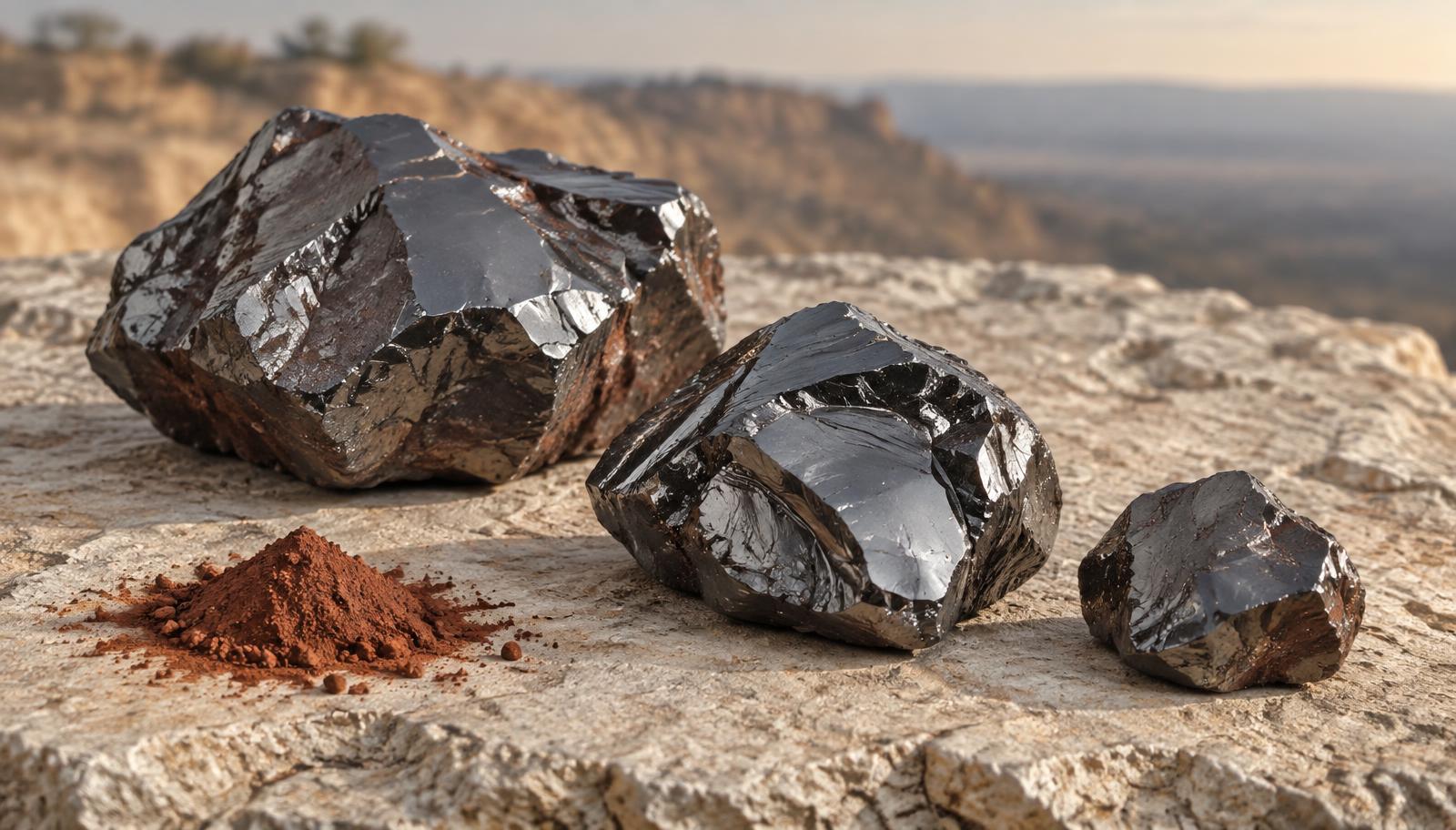
The Greeks and Romans carved seal stones — hematite among them — into intaglios used to press signatures into wax. A stone ring was simultaneously jewelry, identification and, often, a protective charm. Roman writers record which stones were believed to carry which virtues, and they disagreed with each other constantly — a useful reminder that stone folklore was never one consistent system.
The Victorian era: sentiment worn openly
Nineteenth-century jewelry was saturated with meaning. Dark stones and black materials were worn in memory of loved ones, acrostic jewelry spelled out messages with the first letters of gem names, and a gift of a particular stone was a coded message in itself. Much of the 'meaning of stones' tradition that circulates today was shaped in this period — an era that loved symbolism.
Birthstones: a surprisingly recent invention
The familiar birthstone list — garnet for January, amethyst for February, and so on — was standardized by American jewelers in 1912, adapting older calendrical traditions into something a shop could sell. It caught on completely, which says something about how much people want a stone chosen just for them, regardless of how the list came to be.
What this means for the bracelets on this site
Every stone in our nine colors carries some story like these — turquoise with Egyptian tombs and Persian traders, lapis with the Renaissance painter's pigment, amethyst with ancient Greeks who believed it kept the drinker clear-headed. We think those stories are genuinely fascinating, and our colors page tells them as what they are: history and tradition, in the same spirit as this page.
What we will not do is tell you a stone will change how you feel. The honest version of why people wear stones is the version that has held for seventy thousand years: they are beautiful, they are rare enough to feel special, and meaning is something the wearer brings to the bracelet — not something the bracelet dispenses.
MagBrace makes no health or medical claims of any kind. These bracelets are jewelry — worn for how they look and feel, nothing more.
Pairing colored stones with copper
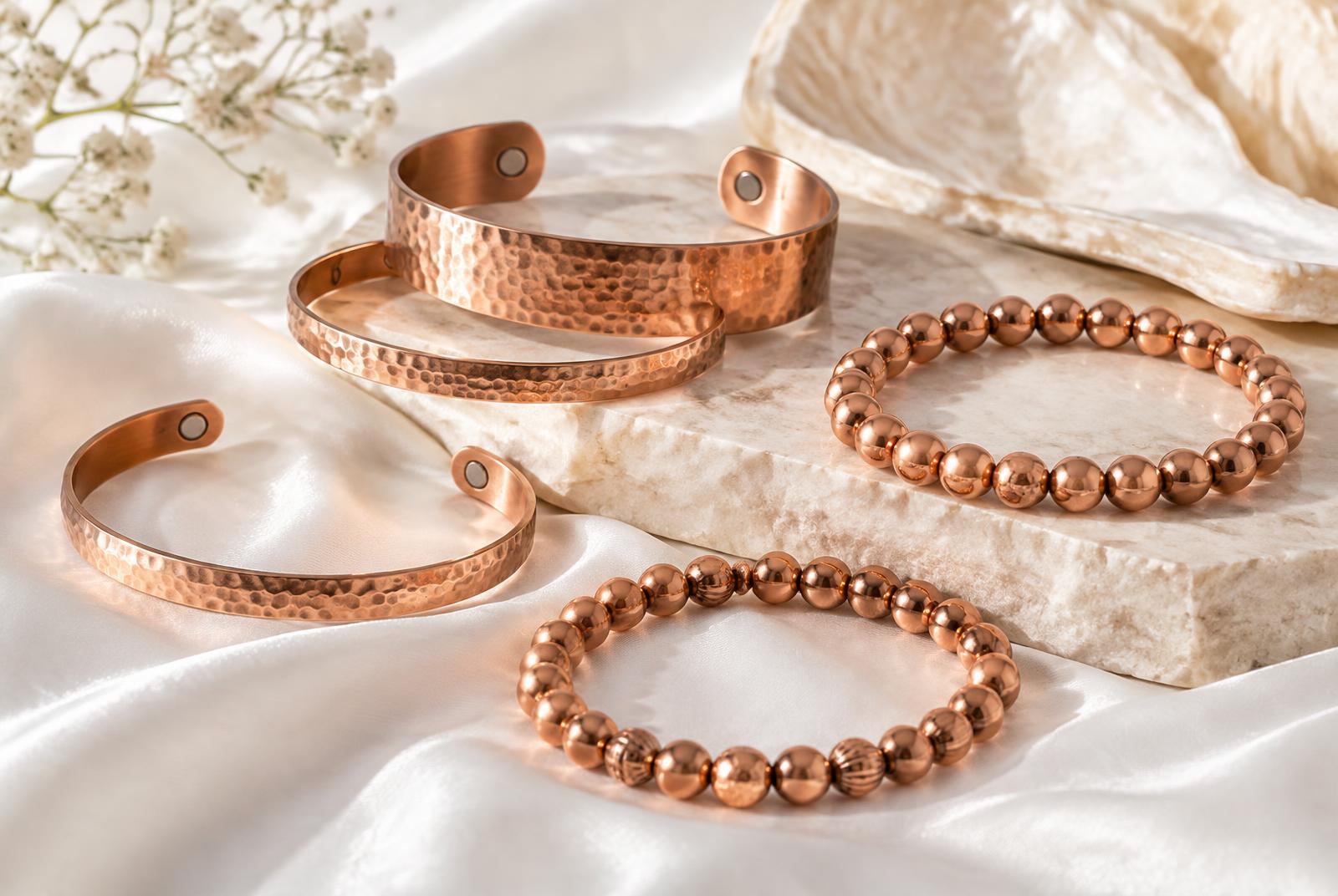
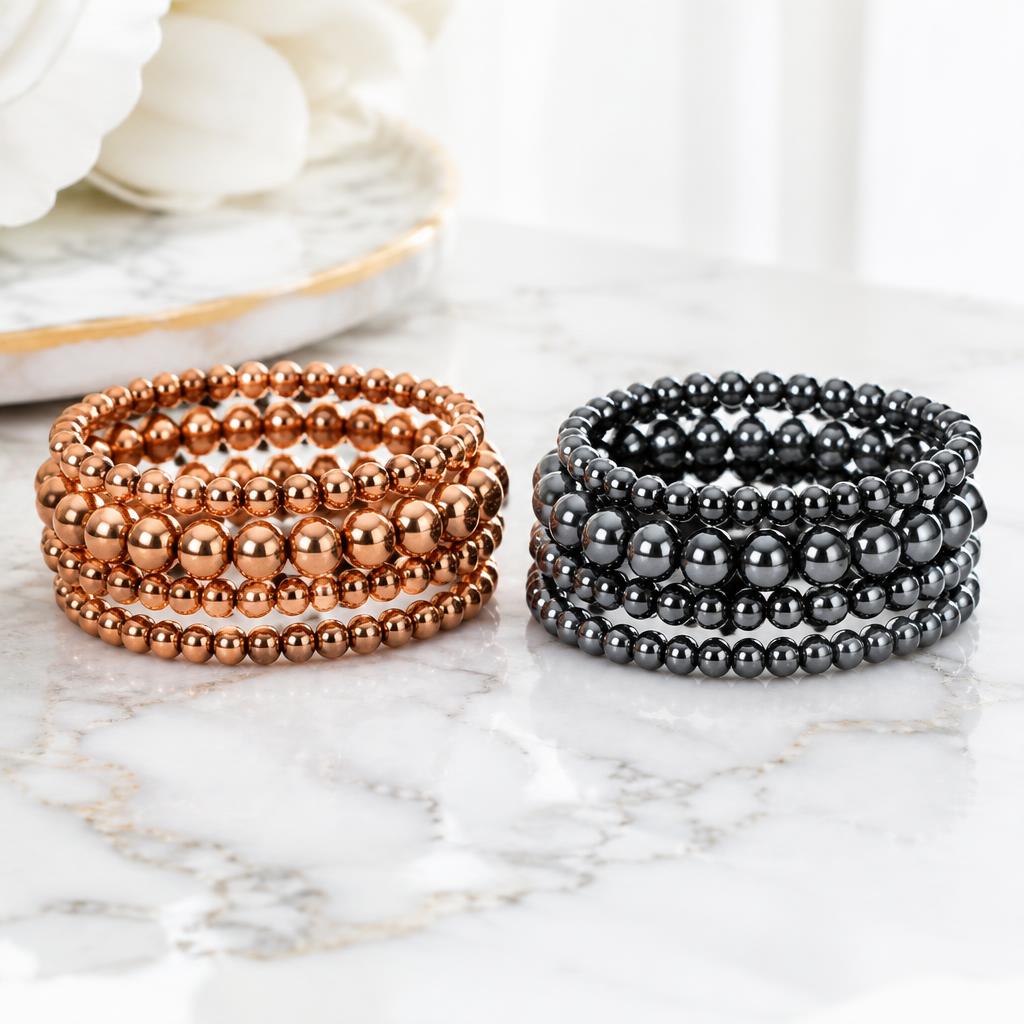
Copper's warm tone works especially well with earthy stones. Tiger eye picks up the golden glints in copper, turquoise creates a classic southwestern contrast, and jade or green aventurine echo the green patina copper develops over time. Cooler stones such as lapis and amethyst can look striking beside copper too, because the color difference is stronger.
When combining stones, copper and hematite in one stack, let one material lead. A mostly hematite stack with a single copper cuff reads as calm and modern; a copper-heavy stack with one hematite strand feels warmer and more rustic. Both work for any wrist and any style.
Caring for mixed-material bracelets
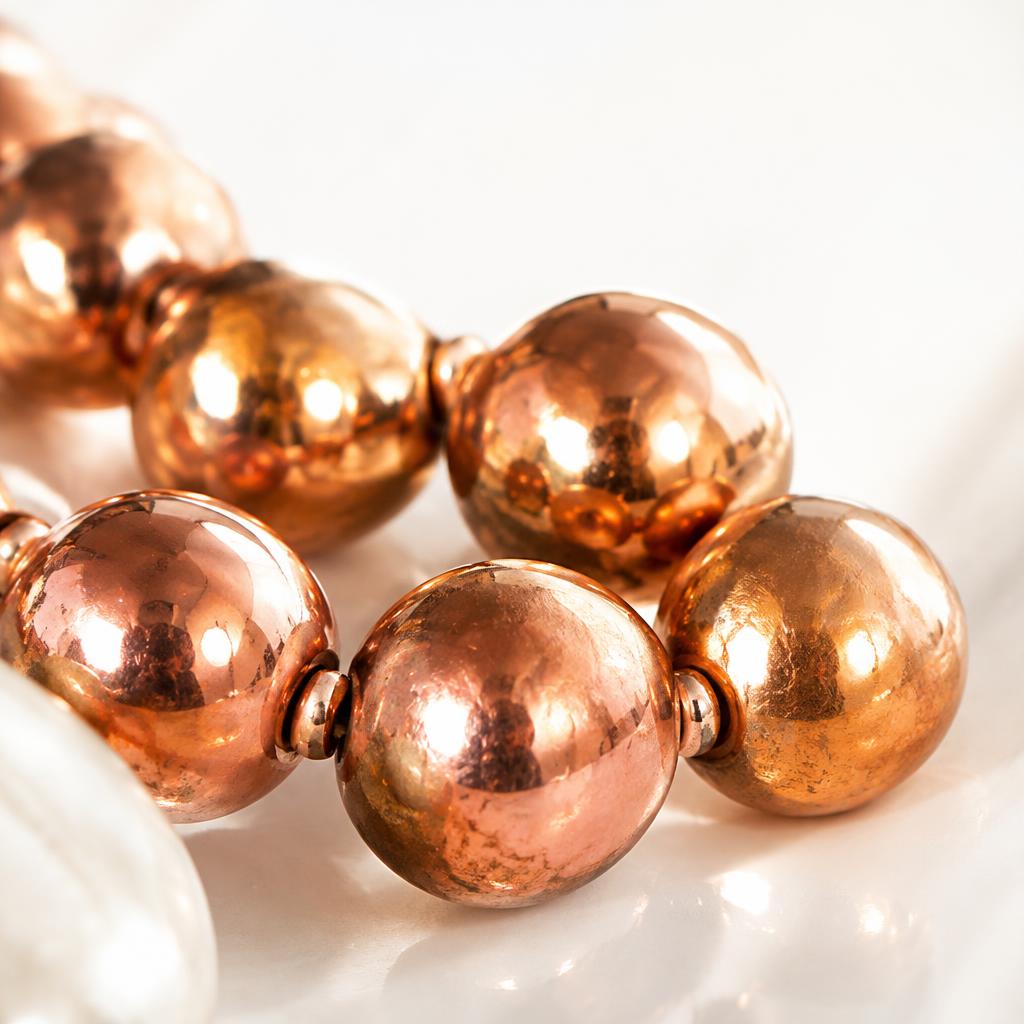
Stones and metals need different care, so mixed bracelets call for the gentlest approach. Wipe them with a soft dry cloth after wearing, and avoid soaking them, since water can weaken elastic and some porous stones absorb liquid. Avoid lemon or vinegar copper cleaners on beaded pieces, because acids can dull pearls, turquoise and other soft stones.
Store each bracelet separately in a small pouch so hard hematite beads cannot scratch softer stones or copper surfaces. Remove bracelets before swimming, cleaning with chemicals or applying lotion. These small habits keep color and shine looking fresh.